
Stanbic Bank Uganda has revamped its “Oli in Charge” campaign, expanding access to unsecured credit as households, farmers and businesses prepare for the third school term and the final quarter of the year.
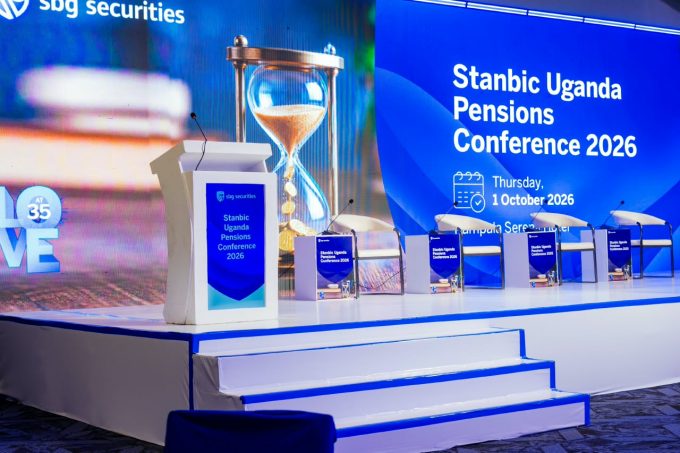
The initiative, launched as the bank marks 35 years of operations in Uganda, is designed to make borrowing faster and more accessible while increasing the use of digital channels for loan applications, disbursements and payments.
Under the enhanced offering, salaried customers can access unsecured loans of up to UGX350 million, with repayment periods of up to 120 months. Non-salaried customers, including farmers and entrepreneurs, can access unsecured financing of up to UGX250 million.
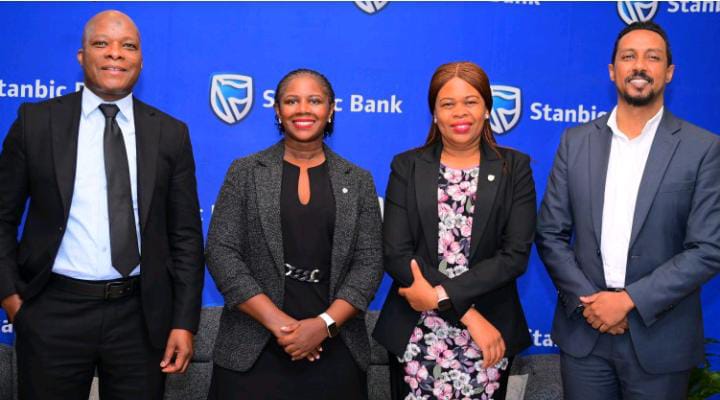
Stanbic Uganda Chief Executive Officer Anne Juuko said the campaign is intended to support customers at different stages of their financial journeys, from parents preparing for a new school term to entrepreneurs seeking capital and farmers investing in production.
“Behind every loan application is a parent preparing for a school term, a business owner seeking to expand, a farmer investing in production, or a family planning for the future,” Juuko said.
She said the initiative reflects Stanbic’s broader focus on financial inclusion, enterprise development, digital banking and economic transformation, under the bank’s purpose of “Uganda is our home, we drive her growth.”
Digital lending takes centre stage
The revamped campaign places significant emphasis on digital borrowing.
According to Yvone Namutosi, Stanbic’s Head of Digital and E-Commerce, customers can apply for loans and receive decisions through the Stanbic Mobile App and USSD platform in as little as two minutes.
The move is aimed at reducing paperwork and the need for customers to visit branches, while making credit available from wherever they are.
The bank is also promoting its Instant Cash product, with customers accessing loans of up to UGX5 million through Stanbic Mobile Banking eligible for interest-free access under the campaign terms.
Stanbic said it is also offering waivers on selected transactions to encourage digital loan disbursements and increase adoption of digital financial services.
Beyond borrowing, the bank is encouraging parents to use its digital channels to pay school fees and meet other essential expenses ahead of the third school term.
Customers can make payments through the mobile app, USSD, internet banking and the bank’s agency network.
Insurance included in the borrowing proposition
The campaign also incorporates insurance protection, with Stanbic arguing that access to credit should be accompanied by measures that protect customers and the assets or investments financed through borrowing.
Dogo Singh, Stanbic’s Insurance Manager, said customers taking on new financial commitments should consider how those commitments and the assets they acquire can be protected.
“A loan can help you acquire an asset, invest in a business, or achieve an important personal goal, but insurance helps ensure that those achievements are protected,” Singh said.
The renewed campaign comes as Uganda enters the final quarter of the year, a period typically marked by increased household expenditure, business activity and agricultural investment.
For Stanbic, the strategy also signals a continued shift towards digital-first financial services, with the bank seeking to make credit more accessible while reducing the time and cost associated with traditional borrowing.
With unsecured borrowing limits now reaching UGX350 million for salaried customers and UGX250 million for non-salaried customers, the bank is positioning the revamped “Oli in Charge” campaign as a broader financing proposition for households, entrepreneurs and farmers.