
The Government of Uganda has pledged to accelerate economic transformation through better execution, artificial intelligence, export-led growth and a more targeted approach to supporting businesses.
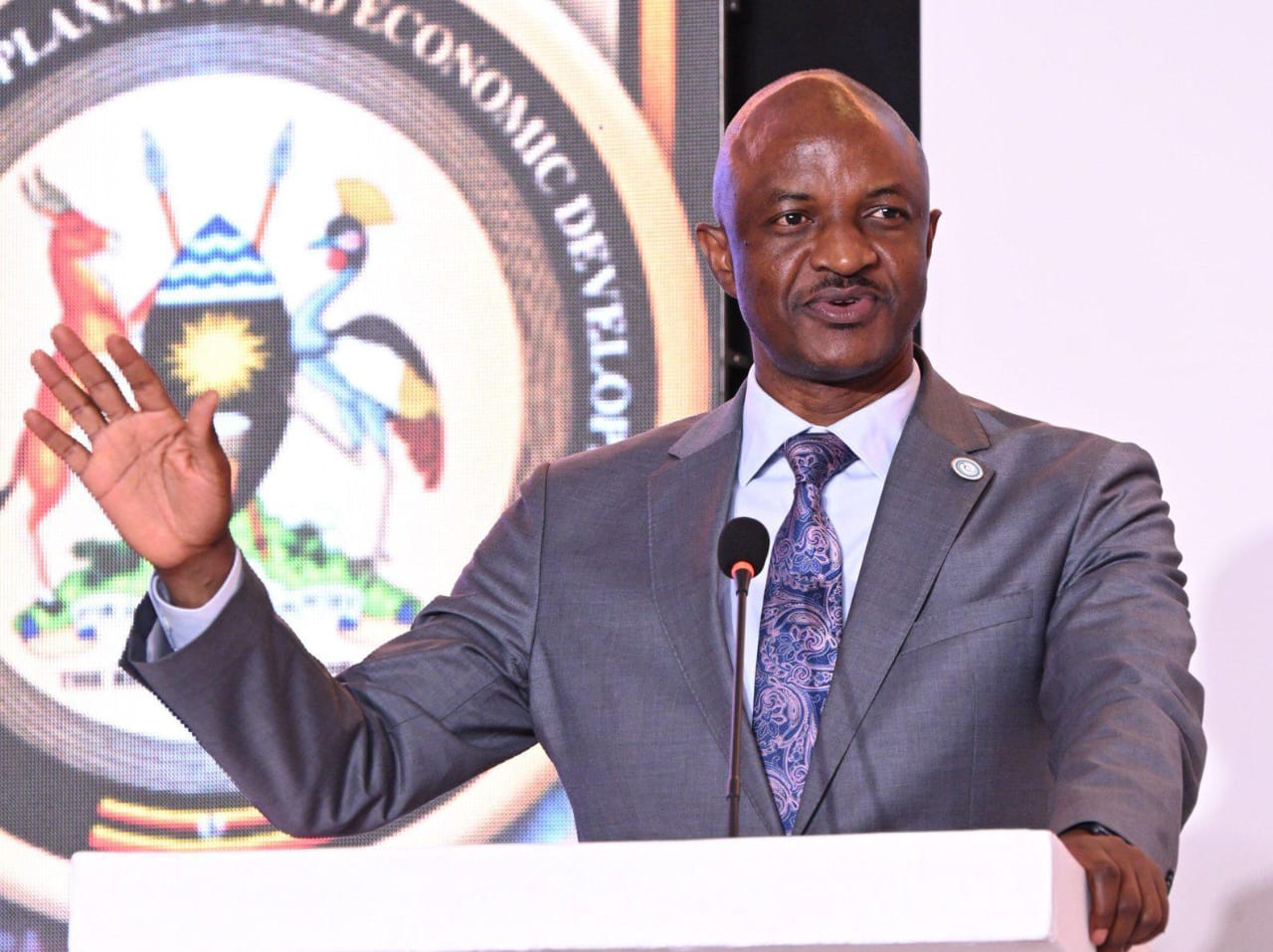
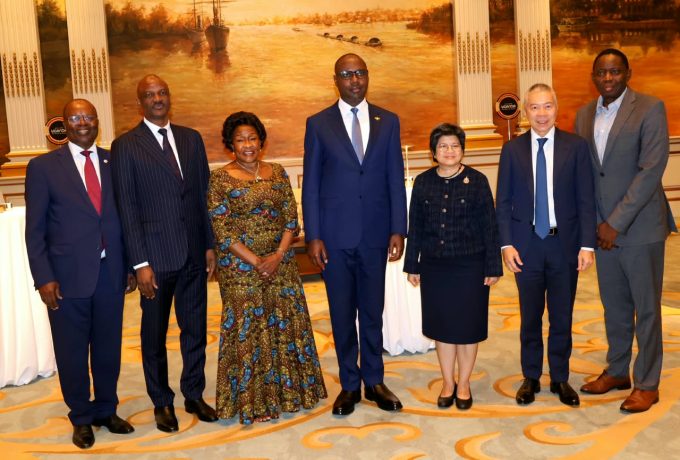
The commitments were made by the Permanent Secretary and Secretary to the Treasury (PSST), Dr. Ramathan Ggoobi, during the 10th Economic Growth Forum (EGF), where government officials, researchers and private sector players reflected on Uganda’s economic growth journey and the role of evidence-based policymaking.
Dr. Ggoobi said the ten-year partnership between the Ministry of Finance, Planning and Economic Development and the International Growth Centre (IGC) has demonstrated the value of research in shaping economic policy.
“The reflection on the ten year journey with IGC clearly demonstrates that evidence-based policy making is changing Uganda’s economy,” Ggoobi said.
He added that government is committed to ensuring that research findings translate into practical interventions.
“Our commitment is to ensure that well researched and actionable ideas from this 10th EGF are implemented and translated into impact,” he said.
One of the key commitments from the forum was the adoption of Artificial Intelligence (AI) to address economic and public service challenges.
Ggoobi, however, noted that Uganda must first strengthen the foundations required for AI to deliver meaningful results, including reliable electricity, affordable internet, skills, data and strong institutions.
The PSST also committed government to using green compliance as a tool to strengthen Uganda’s exports, attract investment and advance the country’s Tenfold Growth Strategy.
On industrial policy, Ggoobi said government would continue supporting businesses capable of scaling and contributing to productivity, employment and wider economic benefits.
“We shall look beyond large firms, but also manufacturing. Our focus will be productivity, jobs, learning and the spillovers wherever they are,” he said.
He noted that research presented at the forum indicates that government has made progress in designing frameworks that support economic growth.
Ggoobi further said Uganda’s growth agenda will increasingly be export-led and diversified, with firms encouraged to produce for markets beyond Uganda.
He said businesses would be supported to first establish themselves in regional markets before being prepared to compete internationally.
“Those who need derisking from government, the first key requirement is export reform,” he said.
The government also pledged to strengthen discipline in public investment by implementing fewer but better-prepared projects.
According to Ggoobi, projects should be fully funded, executed on time and capable of delivering the returns promised during appraisal.
“We are also going to finance our growth sustainably by plugging the leakages, mobilising more domestic resources and diversifying into the cheaper and innovative capital,” he said.
Another major commitment was to move away from treating the private sector as one homogeneous group.
Ggoobi said government will develop a segmented financing system that recognises the different needs of businesses, while helping larger firms scale up and access markets.
“I have learnt from research today that financing firms alone does not automatically create the net jobs, what matters is markets,” he said.
The discussions at the 10th EGF therefore placed execution at the centre of Uganda’s economic growth agenda, with both government and the private sector expected to turn research, policy and investment commitments into measurable economic outcomes.
Equity Bank Uganda and Guru Nanak Oil Mills are digitising payments across...
MTN Uganda has partnered with Starlink to deliver reliable satellite internet to...
Uganda is advancing responsible gold mining in Yumbe as Government promotes formalisation,...
Stanbic Uganda’s revamped Oli in Charge campaign offers unsecured loans of up...
Excepteur sint occaecat cupidatat non proident