

Uganda FY 2026/27 Budget Sets Sights on Rapid Economic Growth
 Editor Corporate NewsUpdated 8 months Ago1 Mins read894
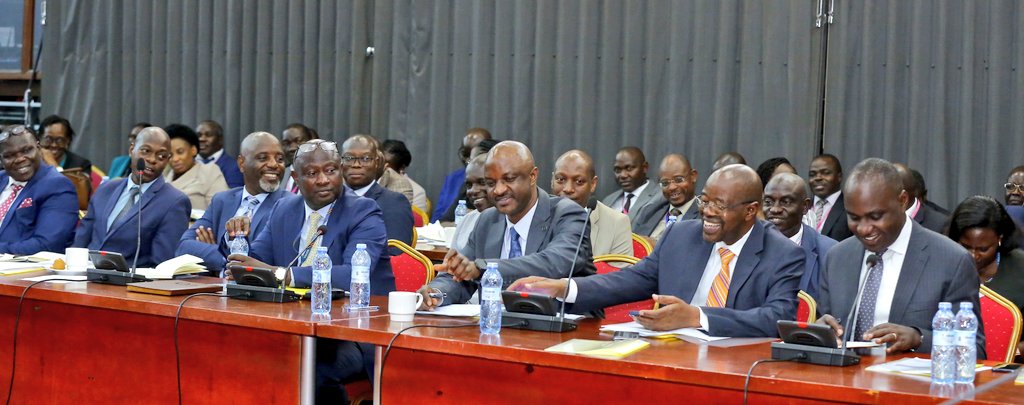
Uganda FY 2026/27 budget sets a bold economic agenda, aiming to accelerate growth and drive long-term transformation. The government presented the National Budget Framework Paper (BFP) to Parliament. The document highlights key policies to expand the economy, improve fiscal discipline, and attract investment.
Uganda FY 2026/27 Budget Projects Strong Growth
State Minister for Finance (General Duties), Henry Musasizi, said Uganda stands at a crucial economic inflection point. “The coming financial year presents an opportunity to push the country closer to upper middle-income status,” he told MPs.
The economy recorded 6.3 percent growth in FY 2024/25. Meanwhile, growth for FY 2025/26 is projected between 6.5 and 7 percent. Furthermore, the FY 2026/27 budget anticipates a sharper rise, with the economy expected to grow by 10.4 percent, expanding to Shs 290.2 trillion (about USD 76.7 billion).
Long-Term Vision and Strategic Priorities
The budget aligns with Uganda’s long-term vision to double GDP every five years under the Fourth National Development Plan (NDP IV). In addition, priority sectors and critical economic enablers will receive sustained investment to support growth and transformation.
Musasizi also highlighted urgent reform areas. These include tightening budget controls to curb corruption, reducing public expenditure leakages, improving cash and liquidity management, strengthening Uganda’s credit profile, and widening development financing through innovative mechanisms.
Resource Envelope and Budget Allocations
The preliminary resource envelope for FY 2026/27 is Shs 69.399 trillion, slightly lower than Shs 72.376 trillion in the current financial year. Moreover, the Finance Ministry’s allocation is projected at Shs 2,693.40 billion, down from Shs 2,796.77 billion. The reduction is mainly due to the lower national resource envelope.
Additionally, Shs 28,264.652 billion under Vote 130 will cover debt service obligations, loan redemptions, and statutory payments. This allocation ensures stability in government financial operations.





Uganda’s New Pension Scheme: What Public Servants Need to Know
Uganda’s new public service pension scheme will require employees to contribute 5%...
 Corporate editor2 Mins read
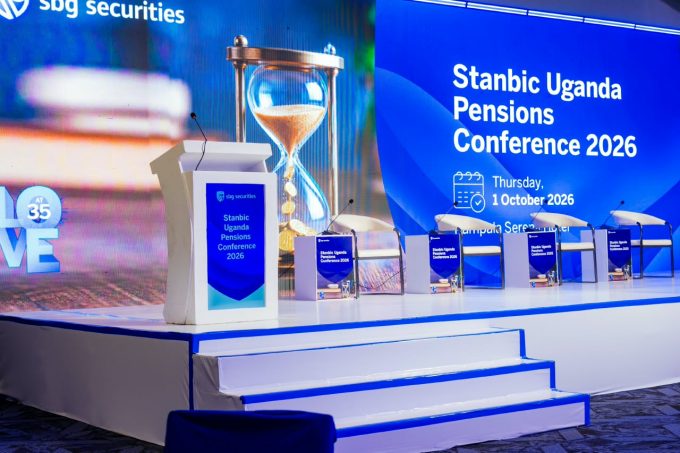
Stanbic Uganda Pensions Conference Puts Retirement Savings at Centre of Growth Agenda
Stanbic Uganda’s inaugural pensions conference highlighted how retirement savings can mobilise long-term...
Corporate editor2 Mins read

Housing Finance Bank Names Moses Mande Oroto to Lead Business Banking Growth
Housing Finance Bank has appointed Moses Mande Oroto as Head of Business...
Corporate editor2 Mins read
Exim Bank Uganda Partners with Yangtze Industry to Drive Regional Manufacturing Capacity
Exim Bank Uganda is supporting Yangtze Industry’s new glue manufacturing facility at...
Corporate editor1 Mins read