
Uganda is turning to its diaspora community in the Republic of Korea as it seeks to attract more capital, technology and expertise to support the country’s economic transformation.
With more than 650 Ugandans living in Korea, the community is being positioned as a potential bridge between Ugandan businesses and one of Asia’s most advanced industrial economies, particularly as Kampala moves to deepen trade and investment ties with Seoul.
The appeal comes ahead of the Uganda Korea Trade and Investment Meeting, scheduled on September 6–10, 2026, in partnership with the Korea International Trade Association (KITA).
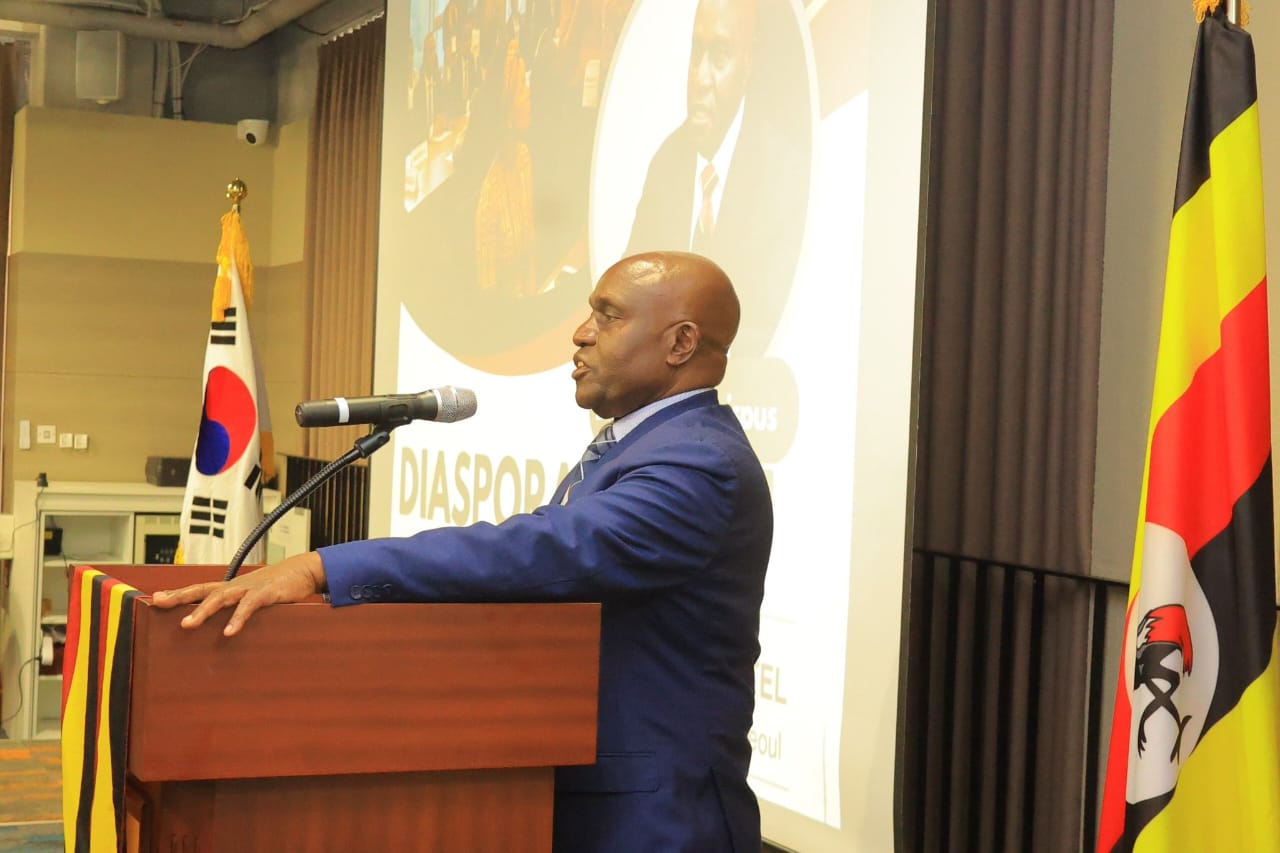
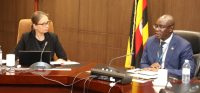
Speaking to Ugandans in Seoul, Uganda’s Ambassador to Korea, H.E. Tophace Kaahwa, urged the diaspora to look beyond remittances and explore opportunities to deploy their capital, professional networks, skills and technology into productive ventures back home.
The priority areas include agro-business, tourism, mineral development, science and technology, innovation and technology transfer.
The message reflects a broader shift in how Uganda views its diaspora, not simply as a source of foreign exchange, but as a potential investment and knowledge network capable of connecting Ugandan enterprises to international markets, technologies and capital.
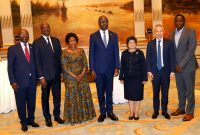
Second Deputy Prime Minister and head of the Ugandan delegation, Rt. Hon. Dr. Crispus Kiyonga, also encouraged Ugandans in Korea to contribute to national development, highlighting the country’s long-term ambition of growing the economy to US$500 billion by 2040.
Achieving that target will require significantly greater investment in infrastructure, energy, industrialisation and productive sectors of the economy, areas where Korean companies have substantial experience.
For Uganda, the Korea relationship therefore offers an opportunity that extends beyond traditional trade.
Korean technology and industrial expertise could help Uganda move further up the value chain, particularly in manufacturing, agro-processing, infrastructure, energy and digital innovation. At the same time, Ugandan businesses can provide access to opportunities in agriculture, minerals, tourism and other emerging sectors.
The diaspora could play a critical role in making those connections happen.
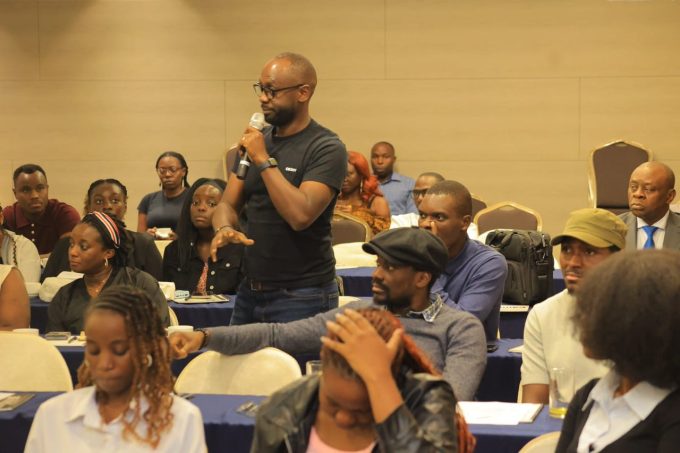
Ugandans working and studying in Korea have accumulated knowledge of the country’s business environment, technology, supply chains and consumer markets. Their networks could help Ugandan companies identify Korean partners, attract investment and understand what is required to compete in the Korean and wider Asian markets.
The Government has also pointed to the development of a comprehensive Diaspora Policy as part of efforts to improve coordination with Ugandans living abroad and encourage greater participation in national development.
The bigger question, however, will be whether these engagements translate into actual investment deals, technology partnerships and market access.
As Uganda and Korea deepen economic cooperation, the diaspora could become one of Uganda’s most valuable commercial assets, connecting local opportunities with Korean capital, technology and expertise.
For Kampala, the objective is no longer simply to bring Ugandans home.
It is to bring home their capital, ideas, technology and global networks and turn them into businesses, jobs and economic growth.
Housing Finance Bank held a customer engagement forum in Hoima to gather...
Uganda has branded its crude oil Pearl Sweet Petroleum as Kingfisher and...
Housing Finance Bank is embedding sustainability into its strategy, financing and operations...
Uganda is making the National Identification Number (NIN) the primary tax identifier...
Excepteur sint occaecat cupidatat non proident