

Kenya-Rwanda Fintech Agreement to Boost Cross-Border Payments
 Editor Corporate NewsUpdated 7 months Ago1 Mins read456
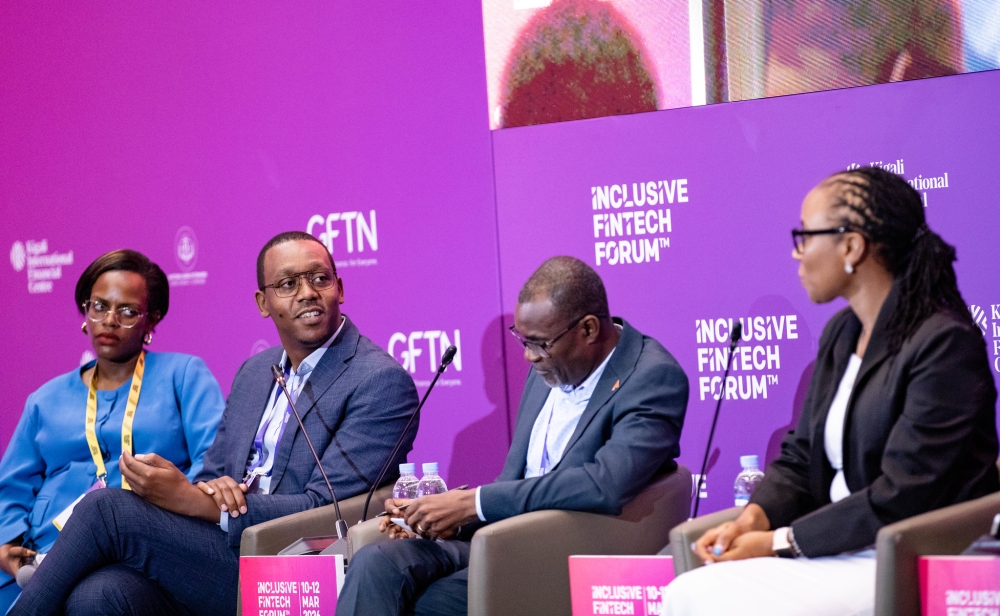
Kenya Rwanda Fintech Agreement Signals Regional Integration
The Kenya Rwanda fintech agreement could reshape East Africa’s digital payments sector. Regulators from both countries have signed a memorandum of understanding to develop a licence passporting framework for fintech companies.
The agreement involves the Central Bank of Kenya and the National Bank of Rwanda. It aims to allow digital payment companies licensed in one country to operate in the other without repeating the full licensing process.
This marks a shift toward stronger regional cooperation in financial technology regulation.
A Step Toward a Borderless Fintech Market
Fintech companies currently face barriers when expanding into new markets. They must apply for fresh licences in every country they enter. The process can take months or even years. Companies must also comply with different regulatory systems and requirements.
Under the proposed framework, a fintech licensed in Kenya could operate in Rwanda more easily. Regulators would still supervise companies locally. However, they would recognize each other’s licensing systems.
Industry experts say the agreement could reduce expansion costs for fintech startups.
Why the Agreement Matters for East Africa
The Kenya Rwanda fintech agreement comes as digital payments grow rapidly across East Africa. Kenya has one of the most advanced mobile money ecosystems in the world. This growth has largely been driven by M-PESA, the mobile payment platform operated by Safaricom.
Rwanda has also positioned itself as a regional technology hub. The government has invested heavily in digital infrastructure and startup-friendly policies. By aligning regulatory systems, both countries hope to build a larger market for fintech innovation.
Boost for Cross-Border Payments
Cross-border payments remain a challenge for many businesses in the region. Traders often face delays and higher transaction fees. The Kenya-Rwanda fintech agreement could help fintech companies create payment systems that work across borders.
Such services would allow businesses and consumers to:
- Send money faster
- Pay for goods across borders
- Reduce transaction costs
These improvements could strengthen trade within the East African Community, which promotes regional economic integration.








Uganda’s New Pension Scheme: What Public Servants Need to Know
Uganda’s new public service pension scheme will require employees to contribute 5%...
 Corporate editor2 Mins read

Stanbic Uganda Pensions Conference Puts Retirement Savings at Centre of Growth Agenda
Stanbic Uganda’s inaugural pensions conference highlighted how retirement savings can mobilise long-term...
Corporate editor2 Mins read

Housing Finance Bank Names Moses Mande Oroto to Lead Business Banking Growth
Housing Finance Bank has appointed Moses Mande Oroto as Head of Business...
Corporate editor2 Mins read

Exim Bank Uganda Partners with Yangtze Industry to Drive Regional Manufacturing Capacity
Exim Bank Uganda is supporting Yangtze Industry’s new glue manufacturing facility at...
Corporate editor1 Mins read