
Social Impact & NGOs
 Corporate editorUpdated 2 months Ago2 Mins read145
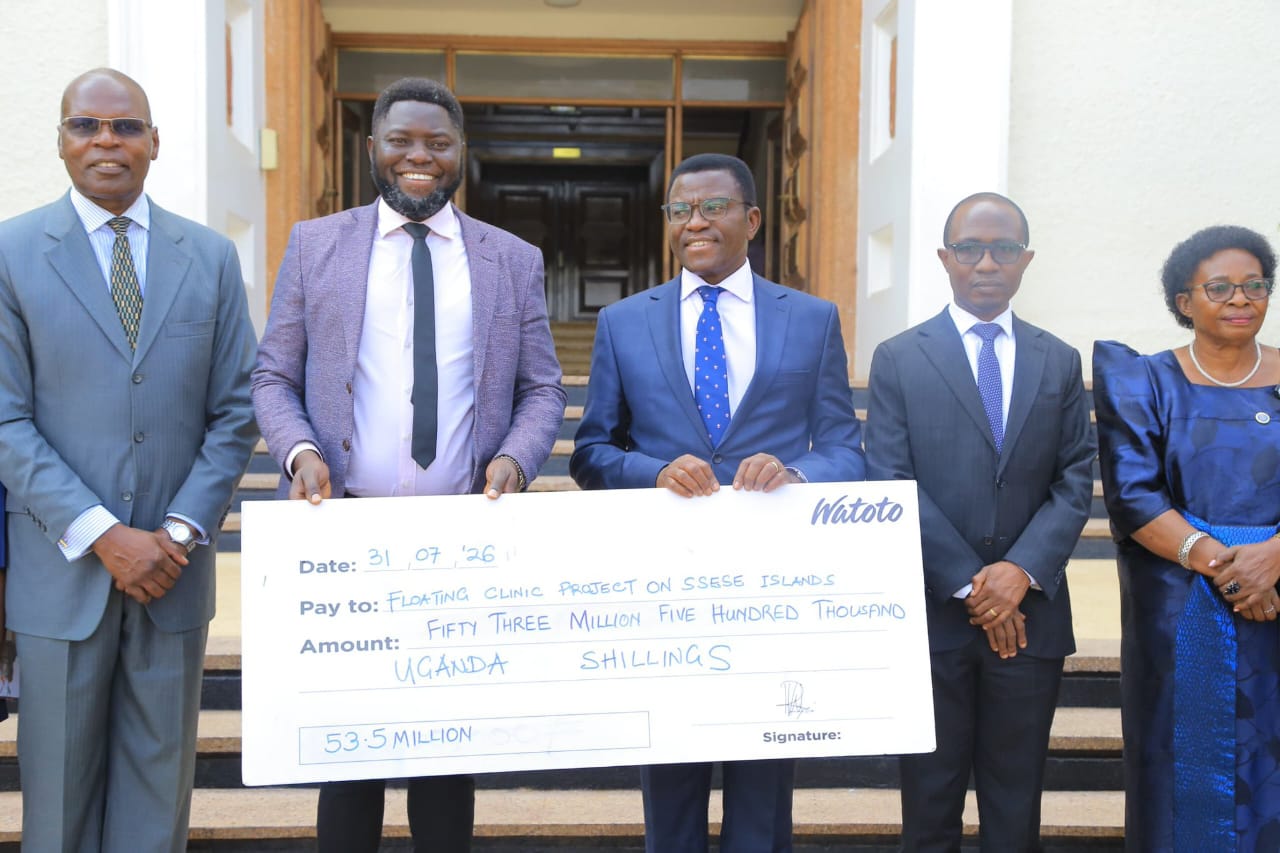
Watoto Church Gives UGX 53.5m to Buganda Kingdom to Support Mobile Water Clinic for Island Communities
Corporate editorUpdated 2 months Ago2 Mins read145
Share
- Buganda Kingdom
- Buvuma Islands
- Charles Peter Mayiga
- Community Development
- Coronation Anniversary
- Economic Development
- faith-based organisations
- health infrastructure
- healthcare access
- healthcare fundraising
- healthcare in Uganda
- island communities Uganda
- Kabaka of Buganda
- mobile healthcare
- Mobile Water Clinic
- rural healthcare
- social services Uganda
- Ssese Islands
- Uganda development agenda
- Watoto Church
Related Articles
Social Impact & NGOs Corporate editor1 Mins read
Absa KH3–7 Hills Run Expands Reach, Deepens Girl Child Support Mission
The 2026 Absa KH3–7 Hills Run brought thousands to Kampala for 5km,...
Corporate editor1 Mins read