
Uganda and the World Bank have agreed that all new development projects must undergo the Public Investment Management System (PIMS) process before they can be considered for approval and financing.
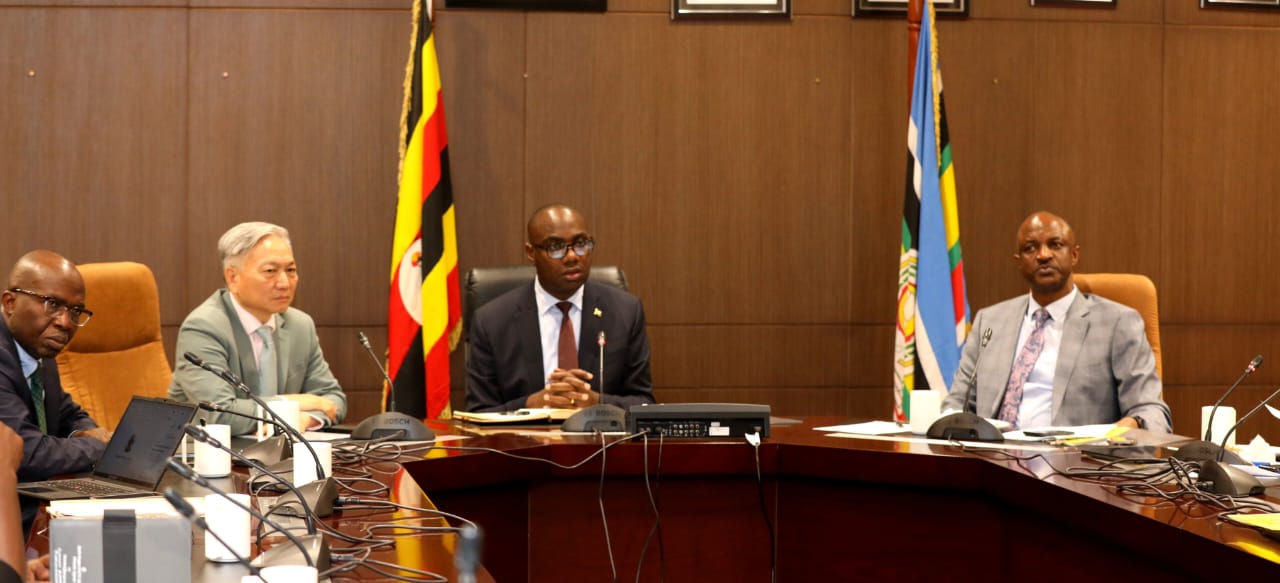
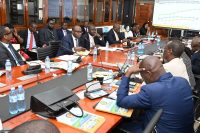
The agreement was reached between Finance Minister Henry Musasizi and World Bank Division Director for Uganda, Kenya, Somalia and Rwanda, Qimiao Fan, during a meeting at the Ministry of Finance ahead of the 2026 IMF–World Bank Annual Meetings scheduled for October.
The move is intended to improve project preparation, strengthen budget discipline and reduce delays in implementation, while ensuring that government investments deliver measurable results.
Musasizi said projects must be aligned with Uganda’s national development priorities, particularly standard gauge railway development, electricity generation and transmission, irrigation, and value addition.
“We are looking at one agenda of efficiency and effectiveness and this will greatly improve with PIMS.”
The Minister said applying the system throughout the project cycle could also help address the persistent challenge of low absorption of development funds.
“We have to do the right job at every stage so that we see impact on the ground,” he said.
Fan, meanwhile, called for Uganda to streamline the processes between project preparation, government approvals, negotiations, procurement and implementation so that financing translates into results more quickly. He also emphasised the need for investments that support inclusive economic growth and create jobs for the growing number of young Ugandans entering the labour market.
The Permanent Secretary and Secretary to the Treasury, Ramathan Ggoobi, called for a balance between financial prudence and the speed required to implement development projects. He said implementing agencies and the Development Committee must ensure projects produce tangible and sustainable results.
The discussions also covered the proposed US$500 million Development Policy Operation supporting Uganda’s Tenfold Growth Strategy, as well as projects under the IDA 21 pipeline, including UgIFT 2.0, revised INVITE and infrastructure development in Greater Kampala.
The development comes as Uganda and the World Bank work to improve implementation of a development portfolio worth about US$4.6 billion across 18 operations. A recent portfolio review found that significant funds remain available for disbursement, with the World Bank urging faster implementation of approved investments.
The World Bank’s current strategy for Uganda also places emphasis on economic governance, infrastructure, private-sector productivity, human capital and job creation.
For businesses and contractors, the tighter PIMS requirement could mean that project preparation, procurement readiness and compliance with government investment priorities become increasingly important before major publicly financed projects move to implementation.
Housing Finance Bank has appointed Moses Mande Oroto as Head of Business...
Exim Bank Uganda is supporting Yangtze Industry’s new glue manufacturing facility at...
NSSF has declared a record 22.53% interest rate for FY2025/26, crediting Sh5.44...
Bank of Uganda Governor Michael Atingi-Ego has urged banks to develop measurable...
Excepteur sint occaecat cupidatat non proident