
Home Business IMF, World Bank Meetings End in Bangkok Amid Calls for Stronger Economic Resilience
BusinessNews

IMF, World Bank Meetings End in Bangkok Amid Calls for Stronger Economic Resilience

Share
IMF, World Bank Meetings End in Bangkok Amid Calls for Stronger Economic Resilience
Share

Global financial leaders have called for stronger economic resilience, responsible debt management and urgent reforms as the International Monetary Fund (IMF) and World Bank Meetings in Bangkok, Thailand, concluded amid growing concerns over geopolitical tensions and financial vulnerabilities.

The meetings, held at the Queen Sirikit National Convention Centre, brought together finance ministers, central bank governors and other policymakers to discuss global economic developments and strategies to safeguard financial stability.

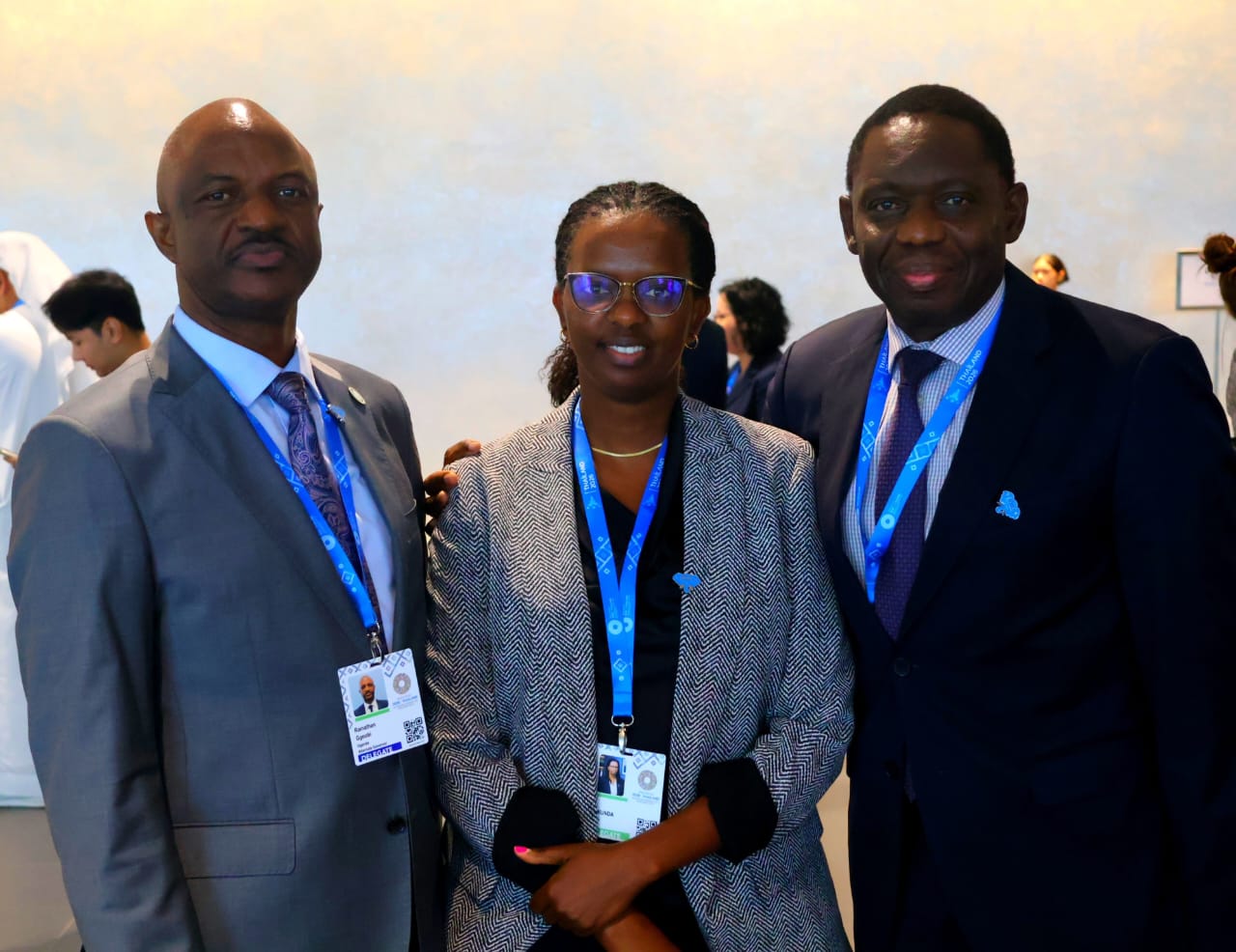
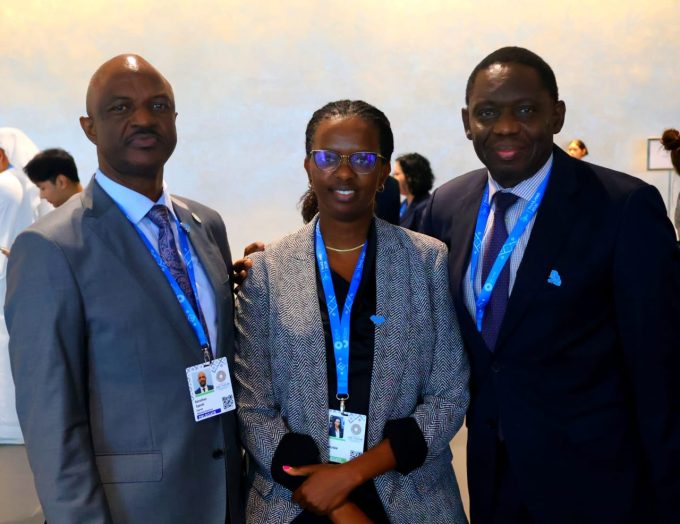
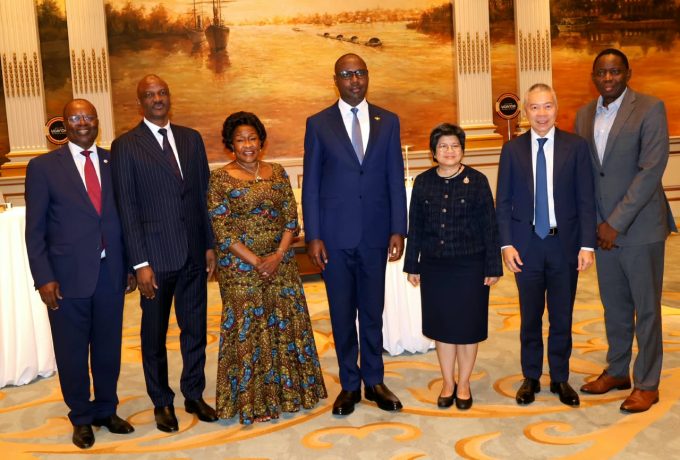
Uganda was represented by the Permanent Secretary and Secretary to the Treasury, Ramathan Ggoobi, and Bank of Uganda Governor Michael Atingi-Ego.

One of the key engagements was the 54th meeting of the International Monetary and Financial Committee (IMFC), which advises and reports to the IMF Board of Governors on the management and supervision of the international monetary and financial system.

The meeting was chaired by Saudi Arabia’s Minister of Finance, Mohammed Aljadaan, whose term as chair was extended by one year.

Addressing members, Aljadaan said the global economy had weathered recent shocks better than expected, but warned that countries’ capacity to withstand further disruptions was being weakened.

“The global economy has weathered the latest in a series of shocks better than expected,” he said, noting that economic buffers had been eroded and resilience could no longer be taken for granted.

He cited ongoing wars and conflicts, disruptions to supply chains and trade tensions as major sources of uncertainty, with consequences for economic growth and prices.

“Wars and conflicts continue to impose a heavy humanitarian toll, with high economic costs and significant negative spillovers. Disruptions to supply chains and trade tensions are adding to uncertainty and price pressures,” Aljadaan said.

He called for sound and consistent macroeconomic policies and stronger multilateral cooperation to promote economic and financial stability.

Aljadaan also emphasised the commitment of central banks to maintaining price stability in line with their respective mandates.

IMF Managing Director Kristalina Georgieva similarly warned that although the global economy had demonstrated resilience in the face of repeated shocks, that resilience was gradually being depleted.

She urged countries to rebuild economic buffers, reduce debt levels, strengthen cybersecurity and embrace artificial intelligence (AI) while identifying and addressing vulnerabilities within their economies.

Georgieva also called on governments to demonstrate the political will needed to implement reforms, particularly those aimed at addressing fiscal pressures and ensuring sustainable public finances.

A key message from the discussions was the need for countries to urgently address fiscal vulnerabilities and advance fiscal consolidation efforts. These efforts, according to the committee’s priorities, should be supported by credible medium-term frameworks to ensure fiscal and debt sustainability.

The emphasis on debt management and fiscal discipline comes as governments face pressure to maintain economic stability while responding to competing spending needs and an uncertain global environment.

For Uganda, the discussions underscore the importance of maintaining sound economic policies, strengthening fiscal resilience and managing public debt sustainably amid international economic uncertainties.

The call for stronger multilateral cooperation also highlights the importance of countries working together to address cross-border economic challenges, including trade disruptions, financial instability and the effects of geopolitical conflicts.

As the meetings concluded, the message from global financial leaders was that the resilience demonstrated by the world economy in recent years should not be taken for granted. Governments must strengthen their economic foundations, address emerging risks and implement reforms to better prepare for future shocks.

Share
Related Articles
News

Centenary Bank Joins Uganda Premier League as Official Banking Partner in Shs204m Deal

Centenary Bank has become the official banking partner of the Uganda Premier...

Uganda Courts Thai Investors to Drive Industrial Growth
Business

Uganda Courts Thai Investors to Drive Industrial Growth

Uganda is courting Thai investors in agro-processing, mineral beneficiation, manufacturing, tourism and...

Uganda’s New Pension Scheme: What Public Servants Need to Know
News

Uganda’s New Pension Scheme: What Public Servants Need to Know

Uganda’s new public service pension scheme will require employees to contribute 5%...

Stanbic Uganda Pensions Conference Puts Retirement Savings at Centre of Growth Agenda
News

Stanbic Uganda Pensions Conference Puts Retirement Savings at Centre of Growth Agenda

Stanbic Uganda’s inaugural pensions conference highlighted how retirement savings can mobilise long-term...