
Home News Uganda Pushes for Bigger Support as Refugee Burden and Climate Financing Take Centre Stage
News

Uganda Pushes for Bigger Support as Refugee Burden and Climate Financing Take Centre Stage

Share
Share

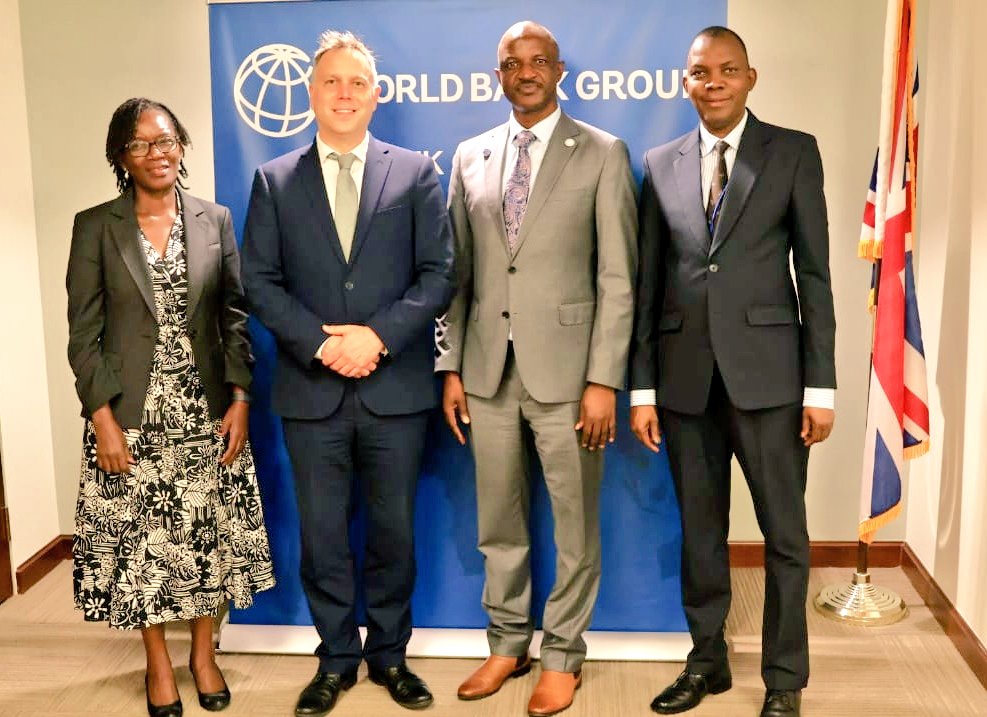
Uganda has used the just-concluded IMF/World Bank Spring Meetings in Washington D.C. to call for increased global support, especially for countries carrying the heaviest refugee burden. Permanent Secretary and Secretary to the Treasury, Ramathan Ggoobi, said Uganda’s financing approach is built to withstand shocks while still driving growth, but stressed that more international backing is needed in key areas like refugee management and climate action.

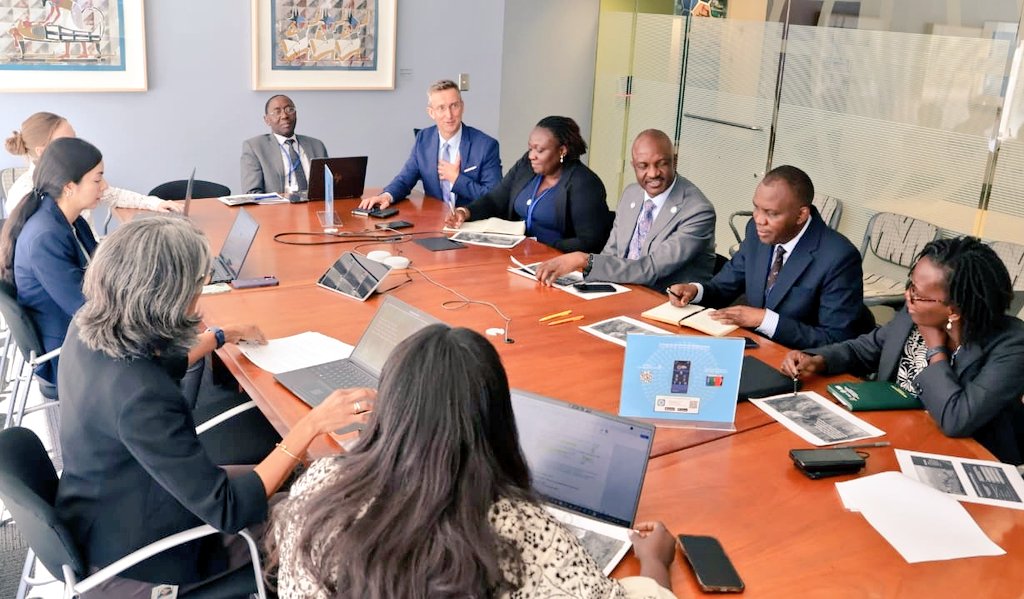
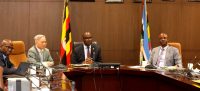
“We believe countries hosting the largest number of refugees should receive more resources to support their integration into host communities,” Ggoobi said during engagements with development partners. He led a technical team from the Ministry of Finance, Planning and Economic Development in a series of high-level meetings, including talks with officials from the United Kingdom and the World Bank.

In discussions with the UK’s Foreign, Commonwealth and Development Office, Uganda highlighted concerns about the ripple effects of the Middle East conflict on the economy, alongside the need to strengthen social protection systems. 


Ggoobi noted that Uganda’s budget is “resilient and growth-led,” with deliberate investment in household income through programmes like the Parish Development Model. “Social protection is embedded in our programmes. We are supporting households to grow more food and create wealth,” he said. Climate financing also emerged as a major focus. Uganda is seeking support under the World Bank’s Programme for Results (PforR), targeting better water management, reduced emissions, and restoration of forests and wetlands.

Officials said the programme will also promote green jobs and strengthen ecotourism value chains linked to natural resources. Separately, Uganda is exploring sustainable financing options, including green bonds, as part of efforts to fund climate and development priorities without straining public debt. The government also pitched for a new results-based programme in the education sector, aimed at boosting skills training for young people and improving productivity.

The meetings come as Uganda balances multiple pressures from climate change and refugee inflows to global economic shocks while trying to sustain growth through targeted public investment.

Share
Related Articles
News

Housing Finance Bank Promotes Community Health Through Blood Donation

Housing Finance Bank, together with Universal M. Enterprises Affordable Housing and UBTS,...

BusinessNews

Dfcu Assets Grow to Shs3.7 Trillion as Profitability Strengthens, Shareholders Get Bigger Dividend

Dfcu Limited reported stronger 2025 results: assets rose 8% to Shs3.74 trillion,...

News

Uganda’s Young Population Could Power Economic Growth, but Only If Jobs and Skills Keep Up

Uganda’s youth population, about 73% under 3,0 presents a major demographic dividend...

NewsTechnology & Innovation

MIIC and Afriventia Group Launch “Fintech Fridays Uganda” to Support Sustainable Sector Growth

Makerere Innovation and Incubation Center (MIIC) and Afriventia Group launched "Fintech Fridays...