
Home News URA Spending UGX54.5Bn Sparks Parliamentary Debate
News

URA Spending UGX54.5Bn Sparks Parliamentary Debate

Share
Share

URA spending UGX54.5Bn has sparked a heated debate in Parliament, where lawmakers are questioning the necessity and impact of the proposed expenses.

Officials from the Uganda Revenue Authority (URA) recently defended the allocation before the Finance Committee. The proposal covers workshops, staff training, and welfare expenses for the 2026/27 financial year.

However, several Members of Parliament challenged the figures and demanded stronger justification.

Breakdown of the UGX54.5Bn Budget

URA plans to spend the funds across three major categories:

  • UGX13.5 billion on workshops and seminars
  • UGX18 billion on staff training
  • UGX23 billion on welfare and entertainment

These allocations have raised concerns, especially as the government continues to promote fiscal discipline and efficient use of public funds.

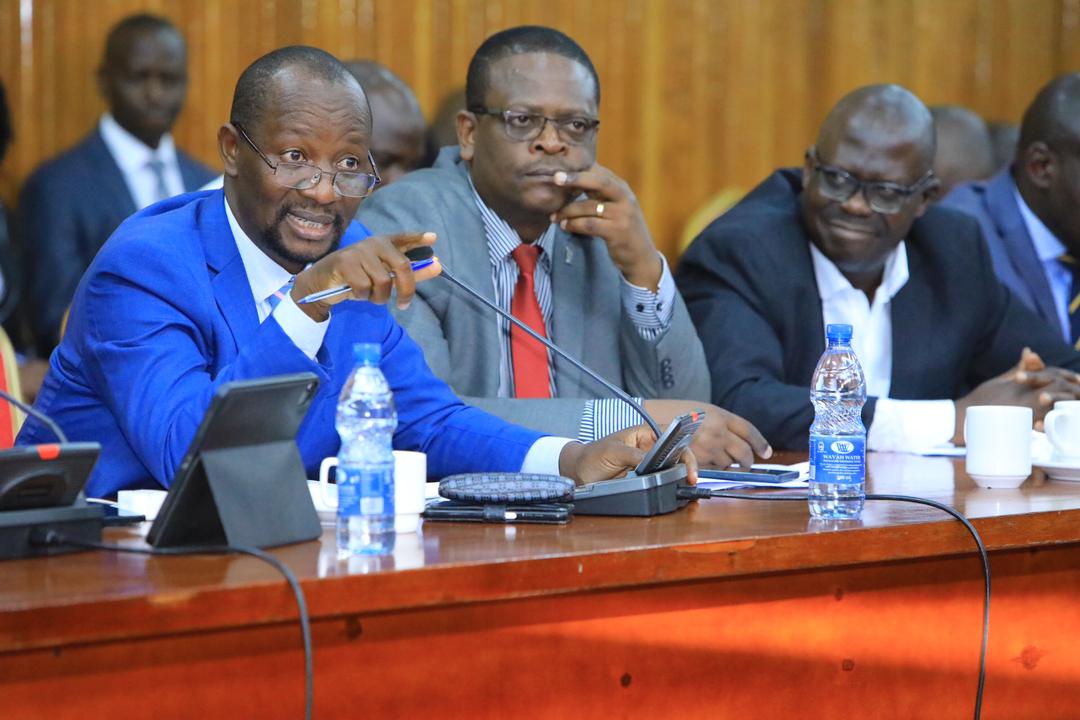
MP Ssemujju Questions Value for Money

Ibrahim Ssemujju led the criticism during the committee session.

He questioned both the relevance and beneficiaries of the expenditure.

“When I reviewed the procurement plan, I saw UGX13.5 billion for workshops, UGX18 billion for training, and UGX23 billion for welfare and entertainment. I don’t know who benefits from this entertainment.”

Ssemujju argued that government agencies often overspend on internal activities without demonstrating clear outcomes.

“This is like a pandemic—government throws money at items without checking their relevance.”

Accountability vs Institutional Needs

The debate highlights a long-standing tension in public finance management.

On one hand, URA invests in staff development to improve:

  • Tax compliance enforcement
  • Digital systems
  • Operational efficiency

On the other hand, critics insist that URA must link every expense to measurable results.

Without clear performance indicators, such spending risks appearing excessive and unjustified.

What It Means for Businesses and Taxpayers

URA’s efficiency directly affects Uganda’s business environment.

If the agency uses these funds effectively, businesses could benefit from:

  • Faster tax processing
  • Lower compliance costs
  • Better dispute resolution

However, inefficient spending may increase the burden on taxpayers and weaken public trust.

The Bottom Line

As Parliament of Uganda continues its budget review, lawmakers will demand stronger accountability from URA.

The central issue remains clear: public institutions must justify spending with tangible results.

Ssemujju’s remarks reflect a growing public concern:

Public funds must deliver real value to the Ugandan people—not just sustain internal systems.

Share
Related Articles
News

Stanbic Bank Revamps Kalangala Branch to Expand Financial Access Across Ssese Islands

Stanbic Bank Uganda has reopened its refurbished Kalangala branch to improve banking...

News

Housing Finance Bank Engages Hoima Customers to Drive Inclusive Growth in Bunyoro

Housing Finance Bank held a customer engagement forum in Hoima to gather...

News

Uganda Looks to Korea-Based Diaspora to Unlock New Investment, Technology and Trade

Uganda is engaging its diaspora in South Korea to attract investment, technology...

News

Pearl Sweet Petroleum: Uganda Puts a Brand on Its Oil as Billions in Business Opportunities Loom

Uganda has branded its crude oil Pearl Sweet Petroleum as Kingfisher and...