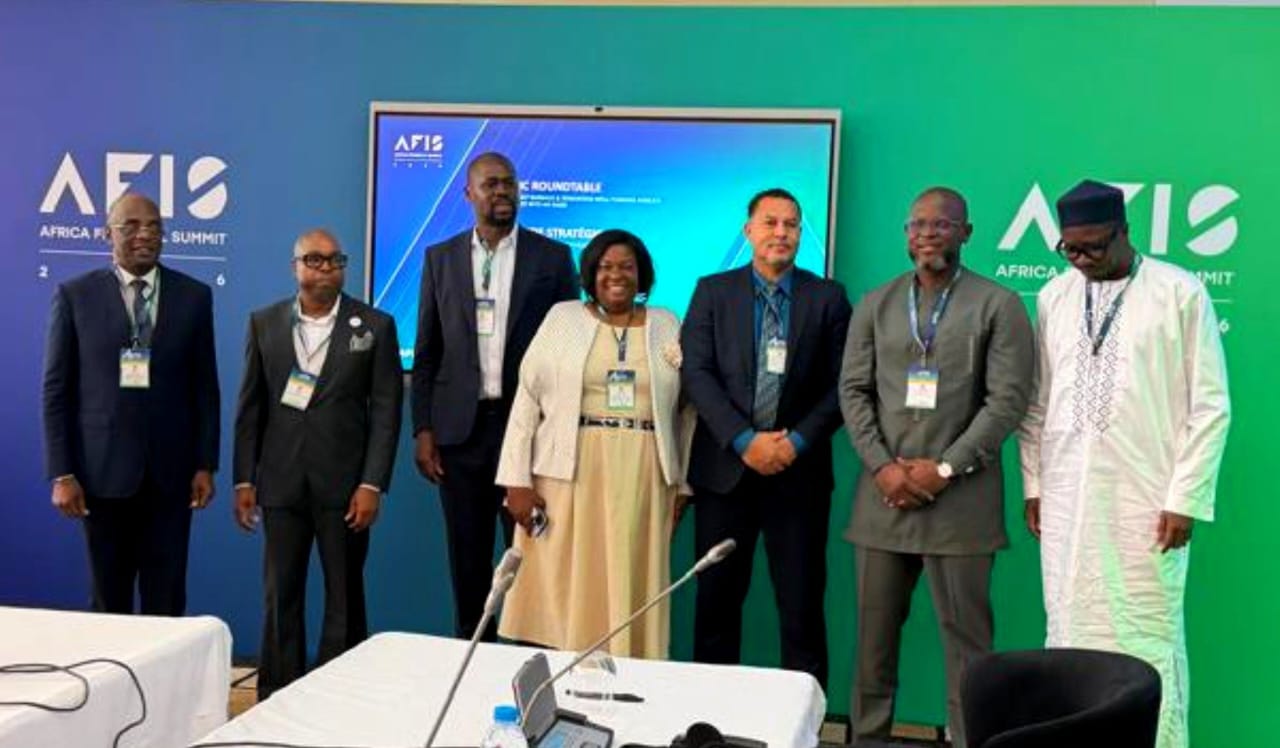

Uganda is seeking to strengthen its access to long-term development financing through deeper engagement with African financial institutions, domestic capital markets and private investors, following its participation in the Africa Financial Summit (AFIS 2026) in Luanda, Angola.
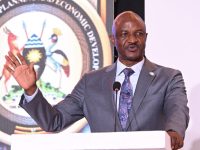
The State Minister for General Duties, Hon. Cissy Mulondo, represented the Government of Uganda at the two-day summit held from November 3–4, 2026, which brought together financial sector leaders, policymakers, development finance institutions and private investors to discuss how Africa can mobilise more capital to finance its economic transformation.
The discussions centred on a growing challenge facing African economies: how to mobilise the continent’s financial resources and channel them into productive investments that support infrastructure development, business growth, industrialisation and job creation.
For Uganda, the engagements provided an opportunity to explore financing mechanisms that could expand investment options beyond conventional development financing and strengthen the country’s ability to attract both domestic and international capital.
One of the central issues at AFIS 2026 was the mobilisation of domestic financial resources, particularly savings held by pension funds and insurance institutions.
Participants examined how these resources could be channelled into long-term development investments while safeguarding contributors’ interests and ensuring sustainable returns.
The discussions also highlighted the importance of developing deeper capital markets and expanding local-currency financing options.
For African economies, stronger domestic capital markets could provide businesses and governments with alternative sources of financing, reduce excessive dependence on foreign-currency borrowing and help manage exposure to exchange-rate fluctuations.
The broader objective is to ensure that a greater proportion of Africa’s financial resources remains within the continent and contributes to its economic development.
On the sidelines of the summit, Minister Mulondo participated in engagements surrounding the African Development Bank Group’s New African Financial Architecture for Development (NAFAD). The initiative seeks to address structural challenges within Africa’s financial system by improving the mobilisation, structuring, and deployment of capital and investment risks. NAFAD is built around three complementary pillars: System Architecture, Capital Mobilisation and Capital Deployment.
The first focuses on strengthening financial institutions, coordination and the broader financial ecosystem. Capital Mobilisation seeks to unlock domestic and international investment resources, while Capital Deployment focuses on directing available financing towards productive projects, businesses and employment opportunities.
The framework presents an opportunity for African countries to improve coordination among financial institutions, attract long-term investors and make development financing more responsive to their economic priorities.
For Uganda, effective participation in such an architecture could help strengthen linkages between domestic financial institutions and international development finance, while expanding opportunities to finance priority sectors.
Minister Mulondo also held discussions with African Development Bank Group President, Dr Sidi Ould Tah, focusing on the Bank’s strategic direction and opportunities to deepen its development partnership with Uganda.
The AfDB President reaffirmed the institution’s commitment to supporting Uganda’s development agenda. The engagement comes as African governments increasingly seek financing arrangements that can support long-term economic transformation while attracting greater participation from private investors.
For Uganda, the value of such partnerships will ultimately depend on how discussions at the continental level translate into accessible financing, investment opportunities and projects capable of delivering measurable economic benefits.
AFIS 2026 placed renewed attention on the relationship between Africa’s financial resources and its development ambitions. While the continent has substantial pools of savings and investment capital, connecting these resources to viable projects remains an important challenge.
The discussions in Luanda therefore focused not simply on raising more money, but also on strengthening the institutions, financial instruments and investment structures needed to put capital to productive use.
Uganda’s participation provides an opportunity to engage with emerging continental financing frameworks and explore how they can support national development priorities.
The next important step will be translating these engagements into practical financing partnerships, stronger domestic investment mechanisms and increased private-sector participation in Uganda’s economy.
Uganda and Germany are deepening cooperation on investment, technology transfer, trade and...
CoolBricks uses local soils and agricultural waste to create affordable, low-carbon bricks...
Housing Finance Bank is bringing banking and housing finance solutions closer to...
Stanbic Bank is expanding banking access and community support in Hoima through...
Excepteur sint occaecat cupidatat non proident