
As Uganda advances cleaner energy alternatives amid renewed debate over charcoal use, Equity Bank Uganda is positioning green financing as a tool to help hotels, lodges and other tourism businesses cut operating costs and build more resilient operations.
Clean energy is emerging as an important investment opportunity for Uganda’s tourism industry, with Equity Bank Uganda calling for practical financing solutions to help businesses adopt renewable energy, improve efficiency and reduce their reliance on conventional energy sources.
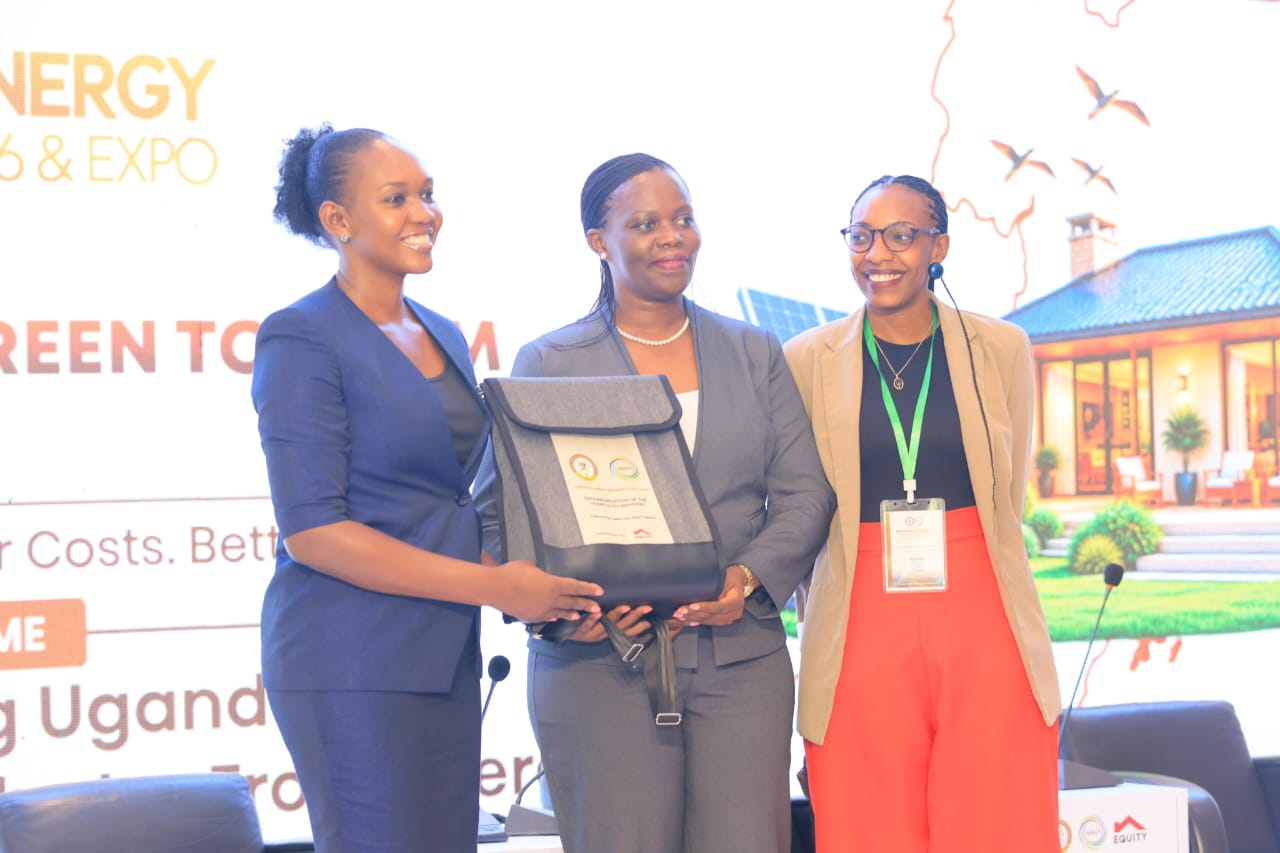
Speaking at the launch of the National Green Hospitality Initiative during the Renewable Energy Conference 2026 & Expo, Catherine Psomgen, Director of Public Sector and Social Investments at Equity Bank Uganda, emphasised the need to translate credible green opportunities into bankable investments.
She highlighted the role of financial institutions in bridging the gap between the availability of clean-energy technologies and the capacity of businesses to invest in them.
Through solutions such as green loans, equipment financing and blended financing, Equity Bank aims to support tourism enterprises seeking to adopt energy-efficient technologies, reduce operating expenses and improve long-term business sustainability.
The initiative comes at a time when Uganda is intensifying discussions about the transition from charcoal and firewood to cleaner energy alternatives.
In October 2026, Parliament suspended enforcement of charcoal trade restrictions pending a government statement on the availability and affordability of alternative energy sources. The restrictions, introduced under Executive Order No. 3 of 2023, target charcoal burning and trade in specified regions of the country.
The debate has highlighted a central challenge in Uganda’s energy transition: environmental protection must be accompanied by practical, affordable alternatives that households and businesses can realistically adopt.
For the tourism industry, this creates an opportunity to accelerate investments in solar power, energy-efficient equipment and cleaner cooking technologies. Such investments could help hotels, restaurants, safari lodges and other hospitality businesses manage energy expenses while reducing their dependence on traditional fuels.
Financing the transition
For many tourism businesses, the challenge is not necessarily recognising the value of clean energy, but meeting the upfront cost of installing the required equipment.
Solar installations, battery storage, efficient cooling systems and modern cooking equipment can require significant initial investment. Without suitable financing, businesses may struggle to make the transition, even where the technologies offer potential long-term savings.
Equity Bank Uganda’s approach seeks to address this barrier by connecting financing with practical investments that support business performance.
The bank has previously demonstrated its commitment to the clean-energy sector through its Equi-Green Loan, launched in 2022 in partnership with the Uganda Energy Credit Capitalisation Company. The facility was designed to help households, educational institutions and commercial enterprises acquire clean-energy technologies, including solar systems and cleaner cooking solutions.
The bank has also promoted green enterprise financing and other initiatives supporting renewable energy adoption among businesses and small enterprises.
Its wider energy and environment agenda encompasses renewable energy, energy efficiency, water management, climate-smart agriculture and other investments intended to support more sustainable economic activity.
This experience provides a foundation for extending green financing to tourism enterprises, where energy costs can influence profitability, service quality and the ability to remain competitive.
A more resilient tourism industry
Tourism businesses depend on reliable energy for lighting, refrigeration, water heating, laundry, food preparation and cooling. Disruptions to energy supply and rising operating costs can therefore affect both the customer experience and a business’s financial performance.
Investments in solar power, battery storage and energy-efficient appliances can help businesses manage these pressures, depending on their energy needs, installation costs and financing arrangements.
Cleaner cooking technologies can also provide alternatives to charcoal and firewood, particularly for establishments with substantial kitchen operations.
For lodges and tourism facilities located away from reliable electricity infrastructure, appropriately designed renewable-energy systems may offer additional opportunities to improve service delivery and operational reliability.
Beyond individual businesses, the transition could stimulate demand for renewable-energy suppliers, installation services and technical expertise, creating opportunities across the wider tourism and clean-energy value chains.
Turning ambition into investment
The success of Uganda’s green tourism ambitions will depend partly on whether businesses can access financing that reflects their operational realities.
Hotels and lodges may experience seasonal fluctuations in occupancy and revenue, making repayment schedules an important consideration when financing capital-intensive energy investments. Flexible financing structures, appropriate repayment periods and careful assessment of expected energy savings could help make such projects more viable.
Equally important is ensuring that businesses understand the technologies available, their installation and maintenance requirements, and the likely financial returns before committing to an investment.
By combining financial solutions with partnerships across the energy and tourism sectors, Equity Bank Uganda is seeking to support a transition in which sustainability and commercial performance reinforce one another.
As Uganda continues to explore alternatives to traditional fuels, clean energy presents tourism businesses with an opportunity to rethink how they power their operations, manage costs and prepare for the future.
For Equity Bank Uganda, the focus is on ensuring that credible green opportunities can move beyond ambition and become practical, financeable investments that support a more competitive, resilient and sustainable tourism industry.