
Home Business Uganda Puts Value for Money, Jobs and Local Investment at Centre of FY2027/28 Budget Strategy
BusinessFinanceNews

Uganda Puts Value for Money, Jobs and Local Investment at Centre of FY2027/28 Budget Strategy

Share
Uganda Puts Value for Money, Jobs and Local Investment at Centre of FY2027/28 Budget Strategy
Share

Uganda’s FY2027/28 budget consultations are placing stronger emphasis on how public resources are converted into functioning infrastructure, jobs, household incomes and improved services at community level.

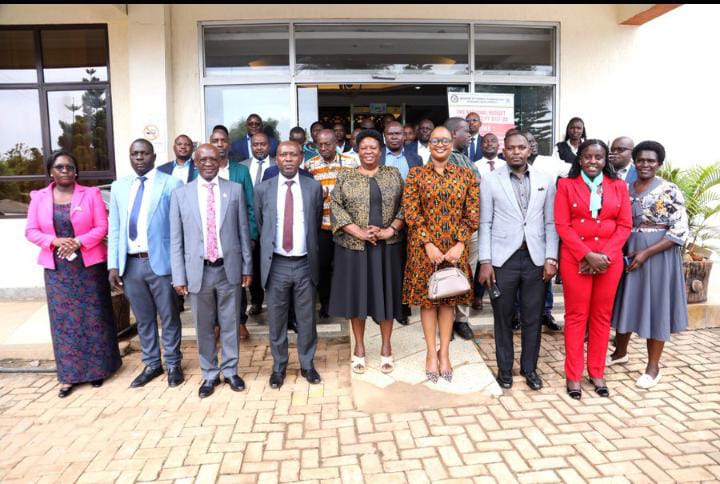
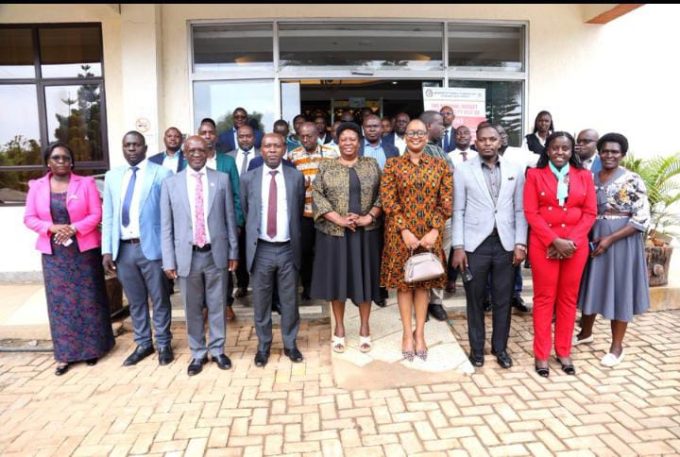
As Ministers of State for Finance, Planning and Economic Development continue consultations with Local Government leaders across the country, they have challenged local authorities to address persistent weaknesses in public investment management, including procurement delays, weak contract management, cost overruns and inadequate maintenance of infrastructure.

The ministers, Amos Lugoloobi, Sarah Musherure and Cissy Mulondo, said these challenges can undermine the quality, functionality and value for money of public investments.

The leaders were therefore urged to develop practical and actionable measures that can ensure public resources deliver tangible improvements in the lives of citizens.

“I therefore urge you to propose practical and actionable measures to address these challenges and ensure that public resources translate into tangible improvements in services for our people,” the ministers said.

Local Governments Key to Growth Strategy

The FY2027/28 budget strategy is being developed within the broader framework of Uganda’s Tenfold Growth Strategy, which seeks to accelerate economic transformation and expand opportunities for wealth and job creation.

According to the Ministry of Finance, Planning and Economic Development, Local Governments have a critical role in translating national development priorities into results at the community level.

Their responsibilities include creating an enabling environment for investment, supporting production and market access, and ensuring that government programmes deliver meaningful improvements in livelihoods.

The approach places greater emphasis on connecting national planning with what happens on the ground, particularly in areas of production, employment, household incomes and service delivery.

Seven Strategic Shifts for FY2027/28

The budget strategy identifies seven major shifts that will guide government’s priorities in the coming financial year.

1. Revenue-led fiscal consolidation

Domestic revenue mobilisation will take a more central role in budget formulation, with government seeking to broaden the tax base and strengthen revenue collection.

2. Prudent management of oil revenues

Oil revenues will be managed transparently and sustainably as Uganda moves towards oil production, with emphasis on ensuring that these resources contribute to long-term national development.

3. Mobilising private capital

Government plans to increase mobilisation of private capital for the ATMS as part of efforts to boost economic growth, create jobs and increase household incomes.

4. Accelerating the Tenfold Growth Strategy

The implementation of the Tenfold Growth Strategy will be accelerated through effective execution of the ATMS and their supporting enablers.

5. Putting jobs, exports and incomes at the centre

The FY2027/28 budget will place greater focus on employment creation, export growth and increasing household incomes as key measures of economic progress.

6. Strengthening wealth creation programmes

Government programmes such as the Parish Development Model (PDM) and Emyooga will remain important components of the wealth creation agenda, particularly in supporting communities to participate in economic activity.

7. Enforcing budget reforms

Government will strengthen key budget reforms aimed at improving budget discipline, credibility and accountability in the use of public resources.

From Budget Allocations to Results

The emphasis on procurement, contract management and infrastructure maintenance signals a broader concern: allocating money alone does not guarantee development.

For Local Governments, the challenge will be to ensure that approved budgets translate into projects that are completed on time, maintained properly and deliver the intended public benefit.

As the FY2027/28 consultations continue, the focus will therefore extend beyond how much government spends to how effectively those resources are planned, managed and converted into economic opportunities and better services for citizens.

The success of the budget strategy will ultimately depend on how effectively national priorities are implemented at local level, where communities experience the impact of public investment most directly.

Share
Related Articles
News

Stanbic Bank Revamps Kalangala Branch to Expand Financial Access Across Ssese Islands

Stanbic Bank Uganda has reopened its refurbished Kalangala branch to improve banking...

News

Housing Finance Bank Engages Hoima Customers to Drive Inclusive Growth in Bunyoro

Housing Finance Bank held a customer engagement forum in Hoima to gather...

News

Uganda Looks to Korea-Based Diaspora to Unlock New Investment, Technology and Trade

Uganda is engaging its diaspora in South Korea to attract investment, technology...

News

Pearl Sweet Petroleum: Uganda Puts a Brand on Its Oil as Billions in Business Opportunities Loom

Uganda has branded its crude oil Pearl Sweet Petroleum as Kingfisher and...