
Uganda’s entrepreneurial landscape is rich with ambition and innovation. Every year, thousands of entrepreneurs launch businesses with dreams of creating wealth, generating employment and contributing to the country’s economic transformation. Yet while many ventures begin with promise, only a few develop into sustainable enterprises capable of lasting impact.
According to Dr Tony Hashya, one of the Business Facilitators at Joseph Business School Uganda (JBS Uganda), the difference is rarely the business idea itself. More often, it is the absence of the right systems, structures and mindset required to build organisations that can grow beyond the founder.
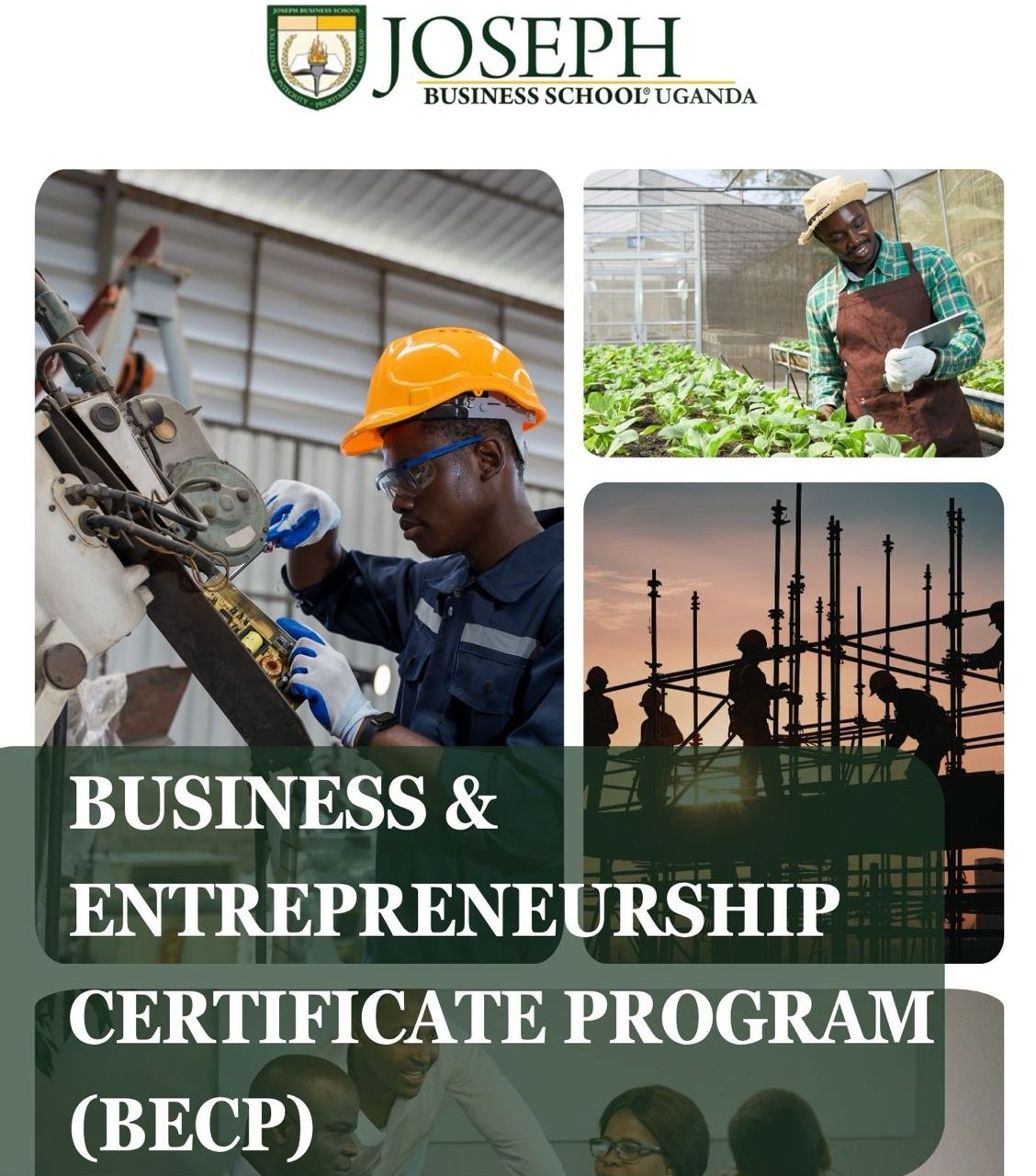
To address this challenge, Joseph Business School Uganda has developed the Business & Entrepreneurship Certificate Program (BECP), a practical four-month programme designed to equip entrepreneurs with the knowledge, skills and values needed to establish thriving enterprises. The inaugural cohort of the programme will commence on 15 August 2026.
Guided by its vision of eradicating generational poverty through entrepreneurship, the school equips entrepreneurs using practical and biblical principles to create wealth, transform communities and raise ethical business leaders capable of driving sustainable development.
One of the flagship modules within the programme is Corporate Machinery: Assembling Core Legal, Financial, Marketing, Operational and Personal Components. The module introduces entrepreneurs to the systems that enable businesses to move beyond survival and achieve sustainable growth through legal structuring, accounting, marketing, human resource management, operations and practical industry exposure.
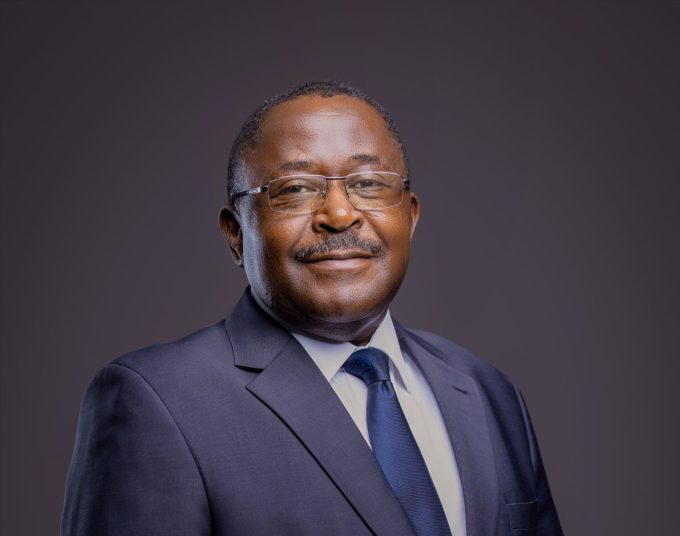
Postdator Corporate News spoke with Dr. Tony Hashya to understand why he believes Uganda’s entrepreneurs must move beyond the classroom and begin thinking and acting like builders of enterprises.
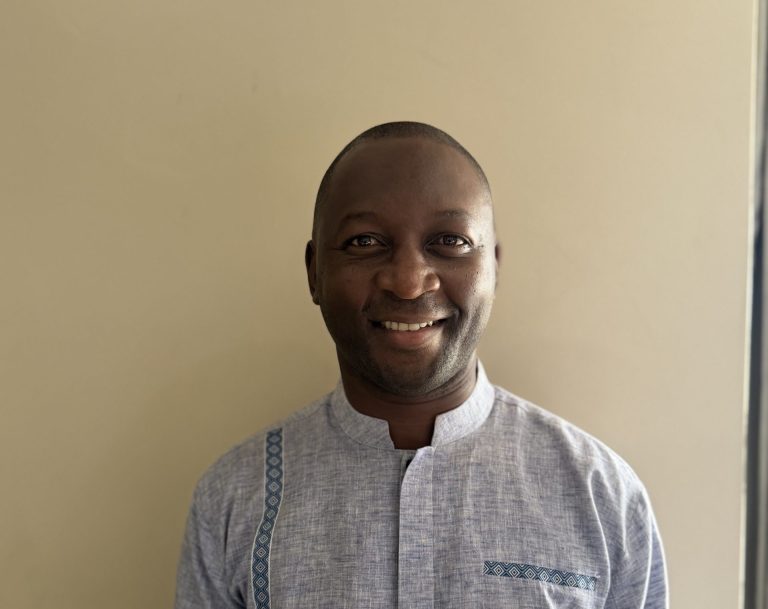
Meet Dr. Tony Hashya
Dr. Tony Hashya is a cardiologist by training, entrepreneur, manufacturer and Christian leader with more than fifteen years of experience building businesses in both the medical and non-medical sectors. He holds a PhD in Medicine and serves as an Elder at House of Revival Church.
His entrepreneurial journey reflects the principles he teaches. Before the COVID-19 pandemic, he was manufacturing medical equipment and accessories. When Uganda experienced shortages of Personal Protective Equipment (PPEs), his company designed and built machines capable of producing KN95 respirators locally, significantly reducing costs and contributing to the national response. Today, the company has expanded into recycling plastic waste, transforming discarded materials into useful products while promoting environmental sustainability.
For Dr. Hashya, entrepreneurship has always been about identifying problems, creating solutions and believing that bigger possibilities exist.
Q&A Session
Q: Dr. Hashya, why does Joseph Business School Uganda place so much emphasis on practical learning rather than traditional classroom teaching?
Dr Tony Hashya:
Many business programmes are built around a traditional classroom approach where participants spend most of their time listening to lectures. While theory is important, entrepreneurship is best understood through experience.
At Joseph Business School Uganda, we want participants to move beyond the classroom and see business in action. We combine structured learning with observation, practical exposure and implementation because that is how entrepreneurs develop confidence.
Business cannot be mastered through theory alone. People learn differently when they observe successful enterprises, interact with experienced entrepreneurs and witness how organisations actually operate.
Reading is important. Observation is important. Exposure is important. But ultimately, knowledge only creates value when it is implemented.
That is why this programme is designed to bridge the gap between learning and doing.
Q: One of the most unique aspects of the Corporate Machinery Module is Industrial Exposure. What makes this component so important?
Dr. Tony Hashya:
Industrial exposure is much more than taking participants on factory visits.
Before participants enter any organization, they first receive classroom preparation. We help them understand what they should observe, the questions they should ask and how to analyse what they see.
Once they are prepared, participants visit selected organisations across manufacturing, agro-processing, technology and service industries.
Our objective is to expose them to complete business ecosystems.
For example, in agro-processing they will see the entire value chain from sourcing raw materials to processing, packaging, quality assurance, marketing and distribution.
We deliberately want participants to experience business firsthand because many entrepreneurs have never had the opportunity to walk through successful factories or interact with experienced industrialists.
The exposure changes the way they think.
They begin to appreciate that building successful businesses is not mysterious; it is about developing the right systems, discipline and leadership.
Participants will also engage directly with business owners and managers, asking practical questions about managing taxes, reducing production costs ethically, improving operational efficiency and overcoming the day-to-day challenges of running a business.
Those conversations often become some of the most valuable lessons in the programme.
Q: The programme also provides opportunities for international exposure. Why is this important for entrepreneurs?
Dr Tony Hashya:
One of the greatest limitations many entrepreneurs face is believing that extraordinary businesses can only be built somewhere else.
Through our partnership involving INOZA and the Mount Carmel Institute in Israel, we are creating opportunities for participants to experience international business environments through study visits and apprenticeship opportunities.
When entrepreneurs travel, something remarkable happens.
They discover that people outside Uganda are not fundamentally different from us.
The difference is often how they think, how they approach opportunities and how they implement ideas.
That kind of exposure builds confidence.
Participants begin to realise that they too can build competitive enterprises, adopt world-class standards and create businesses that serve regional and international markets.
Exposure changes perspective, and perspective changes ambition.
Q: You often speak about 'possibility thinking'. What do you mean by that, and why is it important for entrepreneurs?
Dr. Tony Hashya:
One of the greatest barriers to entrepreneurship is not a lack of capital—it is a lack of belief.
Over the years, I have met many people in their sixties who live with deep regret. They had ideas. They saw opportunities. But they never acted because fear convinced them to wait for the perfect moment.
That moment never came.
I am not tolerant of small thinking because small thinking produces small impact.
Whenever people think small, fear becomes bigger than opportunity. They convince themselves that success belongs to someone else.
We want participants to think beyond the small businesses they are operating today and begin to envision enterprises that create employment, build industries and transform communities.
As a scientist, I like to measure outcomes. Throughout my career, I have observed a clear difference between people who embrace possibility thinking and those who do not. Those who believe something is possible are far more likely to take action, learn from failure and ultimately succeed.
At Joseph Business School Uganda, we are intentional about changing that mindset. We want entrepreneurs to believe that they can build world-class businesses without assuming that only Indians, Chinese or Western investors can establish successful manufacturing companies.
Ugandans can do it too.
Q: Why has the programme deliberately focused on sectors such as Agriculture, Technology and Manufacturing?
Dr. Tony Hashya:
We refer to these as the ATM sectors: Agriculture, Technology and Manufacturing.
Uganda has enormous opportunities in these sectors, particularly in value addition. Manufacturing creates jobs, strengthens local supply chains and contributes significantly to economic growth.
That is why we deliberately expose participants to businesses operating within these industries.
When entrepreneurs visit manufacturing plants or agro-processing facilities, they begin to understand the complete value chain. They see opportunities they had never imagined before.
Our goal is to encourage entrepreneurs to move beyond trading and begin thinking about production, innovation and value addition.
If Uganda is to industrialise, it will require entrepreneurs who are willing to manufacture, process and innovate rather than simply import finished products.
Q: Your entrepreneurial journey spans medicine, manufacturing and innovation. How has that experience influenced the way you teach entrepreneurs?
Dr. Tony Hashya:
Everything I teach has been shaped by experience.
Before COVID-19, our company was manufacturing medical equipment and accessories.
When the pandemic created a shortage of Personal Protective Equipment, many people saw a crisis. We saw an opportunity to solve a national problem.
Our engineers designed and built machines capable of manufacturing KN95 respirators locally. We contributed to Uganda’s COVID-19 response while significantly reducing the cost of specialised medical masks, making them more affordable for healthcare providers and the public.
After the pandemic, we expanded into recycling plastic waste, producing useful products from materials that would otherwise pollute our environment.
Those experiences reinforced an important lesson: entrepreneurs do not wait for perfect conditions. They identify problems and create solutions.
That is the mindset we want participants to develop.
Q: Joseph Business School Uganda is founded on Christian values. How does faith influence the way entrepreneurs are prepared?
Dr Tony Hashya:
We believe successful businesses should be built on integrity as well as profitability.
Many entrepreneurs ask practical questions such as:
“How do I compete when others evade taxes? How do I remain profitable without compromising my values?”
These are real challenges.
Rather than encouraging shortcuts, we help participants explore ethical ways of improving efficiency, reducing costs and building sustainable businesses.
We deliberately expose participants to Christian business leaders whose lives demonstrate that it is possible to succeed while maintaining integrity.
Our objective is to develop entrepreneurs who create wealth responsibly and use their businesses to serve society.
Christian values are not separate from business; they shape how business should be conducted.
Q: What transformation do you hope participants will experience after completing the Corporate Machinery Module?
Dr. Tony Hashya:
I hope they leave with more than business knowledge.
I want them to leave believing that bigger is possible.
I want them to replace fear with confidence, excuses with action and limitations with possibilities.
Knowledge alone is not enough.
Reading alone is not enough.
Exposure alone is not enough.
Real transformation happens when knowledge, observation, exposure and action come together.
When entrepreneurs begin to think differently, they make different decisions. When they make different decisions, they build different businesses.
Ultimately, we want participants to become builders of organisations, not simply operators of small businesses.
That is how jobs are created.
That is how wealth is generated.
And that is how communities are transformed.
Building Businesses Beyond Survival
As Uganda continues to position entrepreneurship as a key driver of economic transformation, the demand for well-equipped, ethical and innovative business leaders continues to grow.
Joseph Business School Uganda is responding to this need through a practical model of entrepreneurship education that combines classroom instruction with industrial exposure, mentorship, values-based leadership and real-world business engagement.
The Corporate Machinery: Assembling Core Legal, Financial, Marketing, Operational and Personal Components module equips participants with the practical systems required to build resilient enterprises while challenging them to think beyond today’s limitations and embrace tomorrow’s possibilities.
As Dr. Tony Hashya reminds aspiring entrepreneurs:
“Observation. Reading. Exposure. Action. Those four together change lives. Don’t allow fear to imprison your ideas. Think bigger, act boldly and build businesses that create lasting impact.”
That philosophy reflects the broader vision of Joseph Business School Uganda—to eradicate generational poverty through entrepreneurship by raising ethical business leaders who create wealth, generate employment and transform communities.
With the inaugural Business & Entrepreneurship Certificate Program (BECP) cohort commencing on 15 August 2026, the institution is inviting entrepreneurs, innovators and aspiring business leaders to become part of a movement that is redefining entrepreneurship through practical learning, integrity and purpose.
About Joseph Business School Uganda
Joseph Business School Uganda is a leading entrepreneurship and business development institution committed to equipping entrepreneurs through practical and biblical principles. Its vision is to eradicate generational poverty through entrepreneurship by developing leaders who build sustainable enterprises and create lasting social and economic impact.
Through the Business & Entrepreneurship Certificate Program (BECP), participants gain practical skills in legal structuring, accounting and finance, marketing, operations, human resource management, leadership and industrial exposure, supported by mentorship and opportunities for local and international business engagement.
Applications for the inaugural BECP Cohort commencing on 15 August 2026 are currently open.
For programme information, admissions and application details, visit www.jbsuganda.org.
To Read more about Joseph Business School, take a look at our other story